
What a Google Analytics plugin for WordPress should do
Most Google Analytics plugins for WordPress do one job: put the GA4 tag on your pages. That gets you pageviews. It doesn't tell you which of those pages led to a form submission, which campaign brought in an order, or what your best customers looked at before they bought. Those things happen inside your plugins, and the tag on its own never sees them.
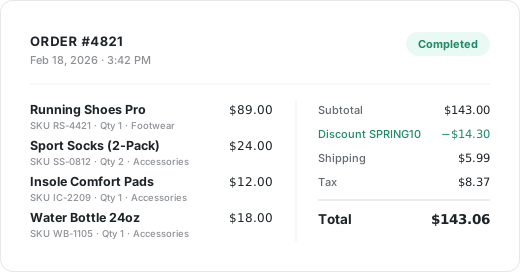
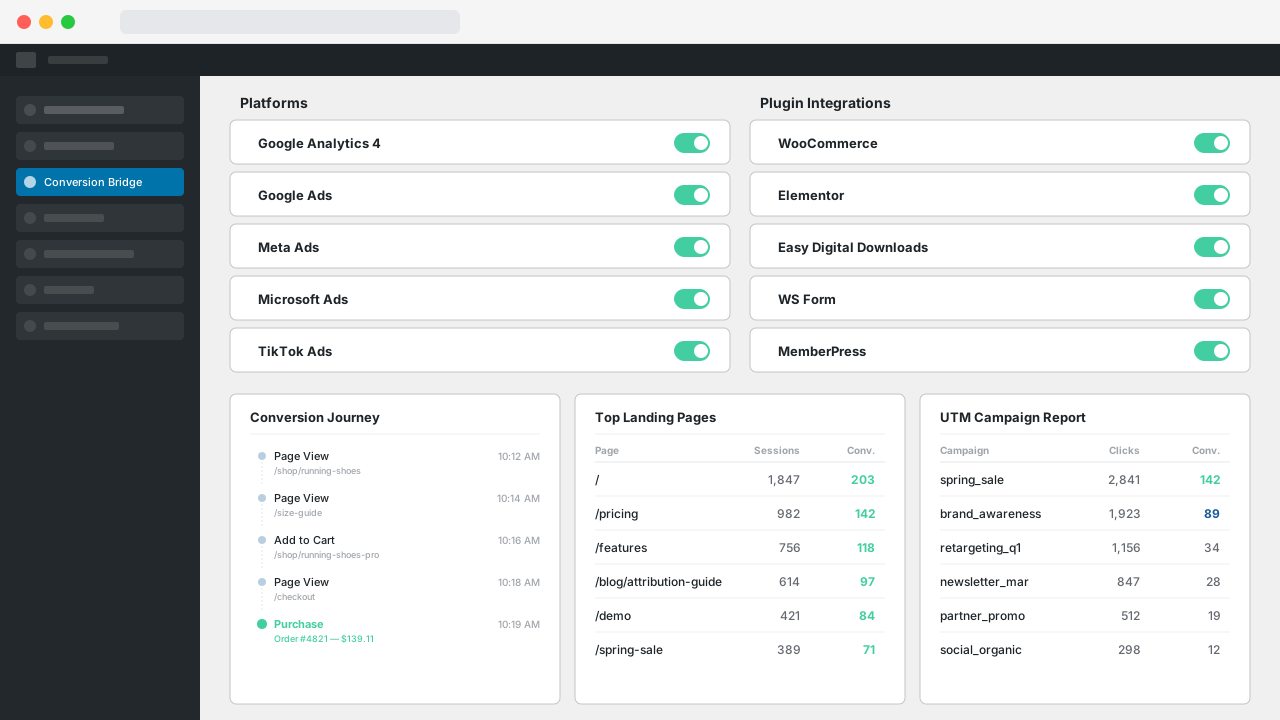
I built Conversion Bridge to close that. It places the tag, and then it watches the plugins your site actually runs and sends each conversion to GA4 with the details attached. A WooCommerce order arrives as a purchase event with the order total, the products, the coupon and the shipping. A form entry arrives as a generate_lead event with the form name. A membership signup, a course enrollment, a booking or a donation each arrive as the event GA4 expects, from 71 WordPress plugins, with nothing to code.
How it works
Connect by signing in with Google and picking your GA4 property from a list. Conversion Bridge fills in the Measurement ID, creates the custom dimensions and sets up the API access in one step. If you'd rather, you can paste the Measurement ID in by hand.
From there, every supported plugin on your site gets a switch in the Conversion Bridge settings. Turn on the events you want tracked and they start flowing into GA4 under Google's recommended event names, so GA4's own ecommerce and lead reports fill in the way Google designed them to. The same events are sent to any other analytics or ad platform you've connected at the same time, so adding Meta, Google Ads or a privacy-focused platform later doesn't mean setting your tracking up twice.
Read the results without opening GA4
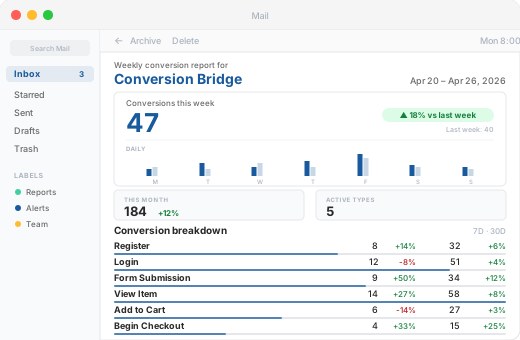
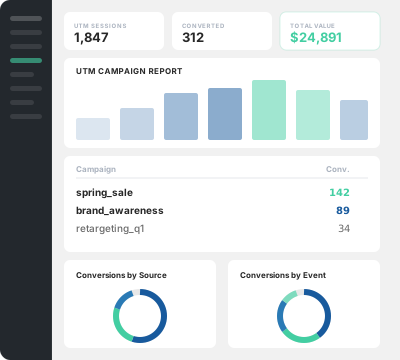
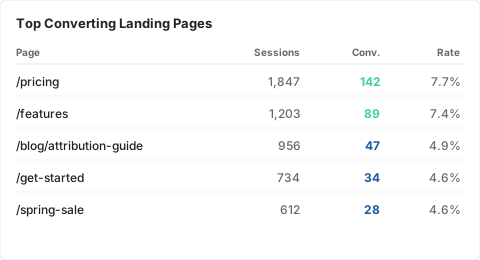
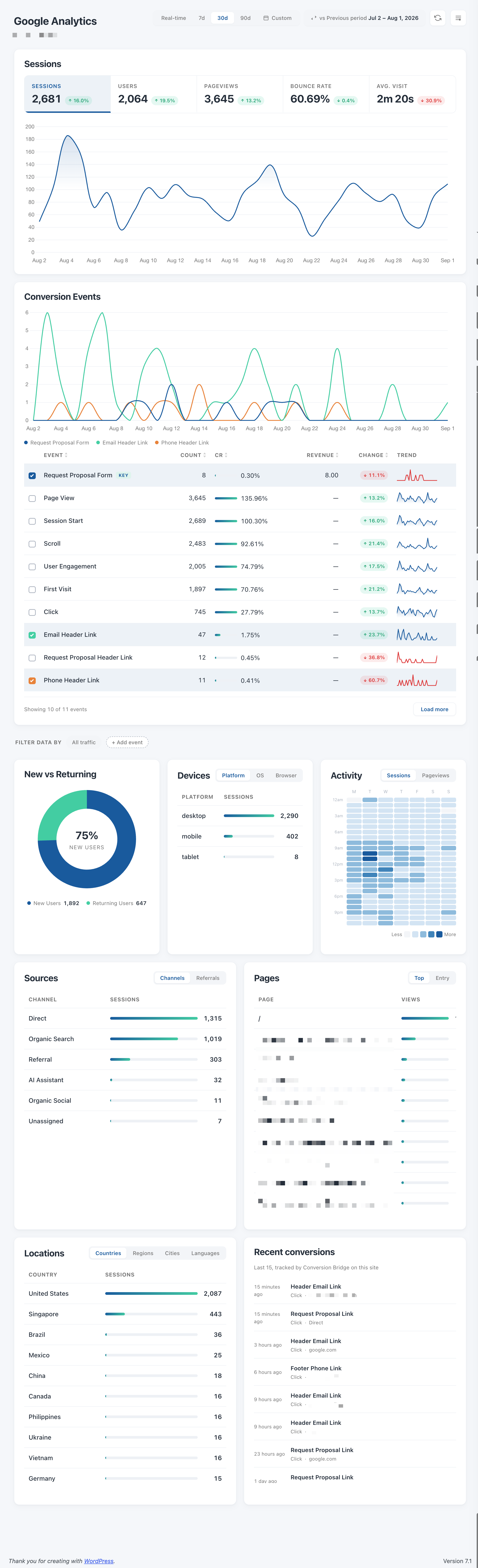
GA4 is a powerful engine with an interface most site owners don't enjoy. I've never been able to hand a client their GA4 login and expect them to find anything. So Conversion Bridge adds a Google Analytics dashboard to the WordPress admin: sessions, users, pageviews and revenue over time, a table of every conversion event with its count and conversion rate, and your sources, pages, devices and locations underneath.
The part I use most is the filter. Pick a conversion event, purchases say, and every card on the dashboard narrows to the visitors who made one. Sources become the sources that produced sales, and pages become the pages buyers looked at. In GA4 itself you'd build an exploration to see that. Here it's one click, and you can compare any period against the one before it.
Who this is for
If you run ads, sell anything, or collect leads on a WordPress site, and Google Analytics is where you or your client look at the numbers, this is the setup I'd recommend. It also fits agencies well: the same plugin goes on every build regardless of which form, store or membership plugin the client runs, and the conversion setup is the same each time.
If Google is the only place your data needs to go and your forms are on Site Kit's supported list, Google's own plugin may be enough, and I've written an honest Site Kit vs Conversion Bridge comparison to help you decide. For a walkthrough of every way to get the tag on a site, plugin or not, see How to add Google Analytics to WordPress.
The Google Analytics 4 setup guide covers every setting, from connecting your account to key events, consent mode and server-side events.